
Liv Grace
3 Min Read

Blueberries: Small Fruit, Big Nutrition
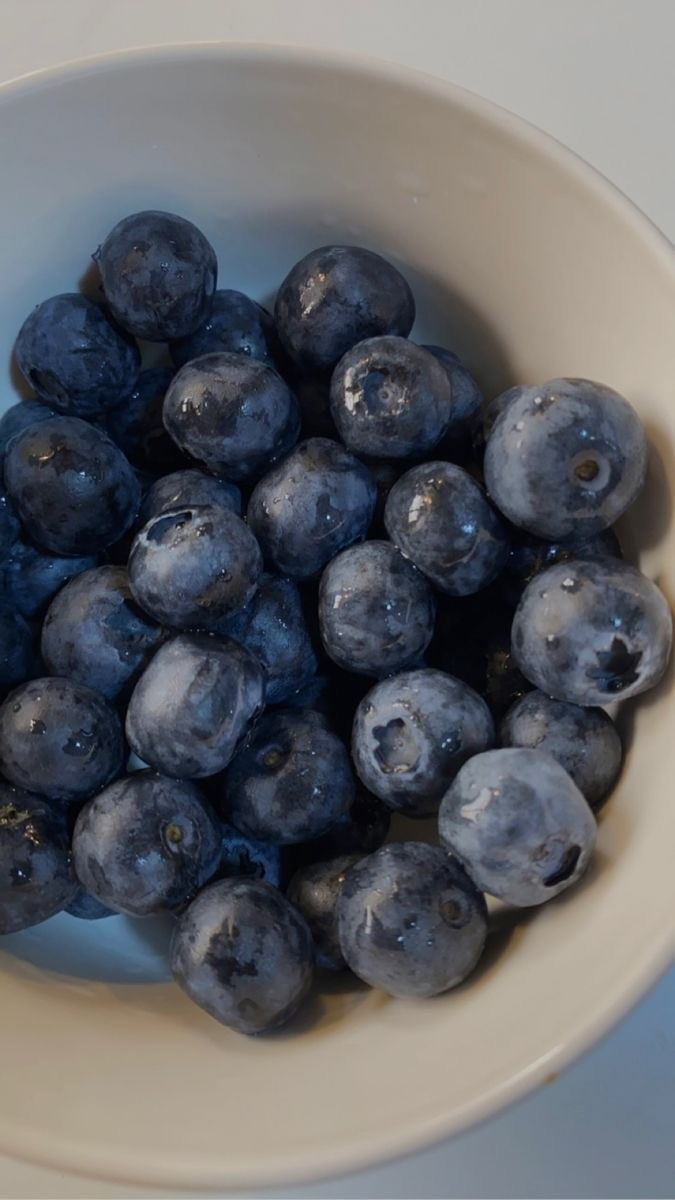
Blueberries might be tiny, but they pack a lot into each bite. They’re naturally sweet, easy to add to meals, and loaded with nutrients that support overall health.
From a nutrition perspective, blueberries are considered nutrient-dense, meaning they provide vitamins, minerals, fibre, and micro nutrients without a lot of energy (calories).
They’re particularly rich in vitamin C, vitamin K, manganese, fibre, and polyphenols, including compounds called anthocyanins that give them their deep blue/purple colour.
This mix of nutrients and plant compounds is why they’re often described as a “functional food” - meaning they may offer health benefits beyond basic nutrition.
Why blueberries matter for health
Heart and metabolic health
Research suggests blueberry intake may support cardiovascular health through antioxidant and anti-inflammatory impacts.
Regular consumption has also been associated with reduced cardiovascular risk markers and improved glucose metabolism.
Brain function
The antioxidants in blueberries help protect brain cells from oxidative stress and inflammation, which may support memory and cognitive function.
Gut health
Blueberries contain fibre and plant compounds that may positively influence gut bacteria and GI health in experimental research models.
Chronic disease prevention
Anthocyanins and other phytochemicals in blueberries show potential anti-inflammatory and metabolic regulatory properties linked with reduced pathways associated with chronic disease risk.
They also contribute antioxidant activity that may protect cells from damage caused by free radicals.
Easy ways to include them
One of the best things about blueberries is how simple they are to use:
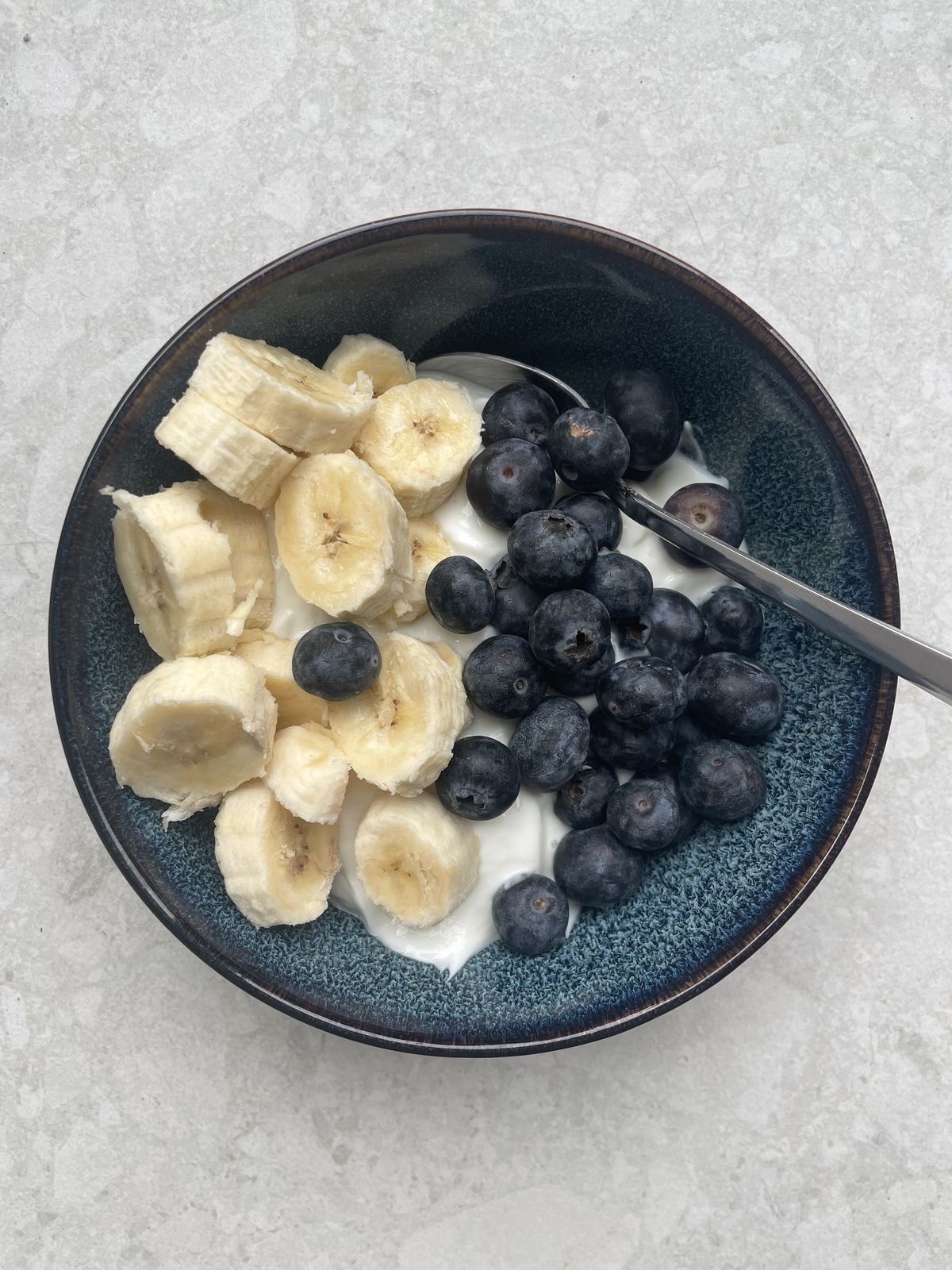
Stir into oats or yoghurt
Blend into smoothies
Add to salads
Eat as a snack
Get creative with fun recipes
And has the benefit of being consumed and used from frozen for convenience and freezing nutrient state for freshness!
Although there’s no “perfect” amount, just aim to include a variety of colourful fruits regularly as part of overall dietary patterns or make sure blueberries are included as a regular addition within your week!
References (APA 7th)
1. Krishna, P., et al. (2023). Improving blueberry fruit nutritional quality. Plants, 12.
2. Palsdottir, H., & Sharon, A. (2024). Blueberries: Nutrition facts and benefits. Healthline.
3. Dróżdż, P., et al. (2017). Mineral composition of wild and cultivated blueberries. Molecules.
4. Mayo Clinic Health System. (2022). The power of blueberries.
5. Kalt, W. (2019). Health benefits of blueberries and anthocyanins. Nutrients.
6. Ayyadurai, P., et al. (2025). Antioxidant effects of blueberries on cardiovascular risk. Journal of Food Composition and Analysis.
7. Stull, A. J. (2024). State of the science on blueberry health benefits. Frontiers in Nutrition.
8. Ashique, S., et al. (2024). Phytochemicals and cognitive benefits of blueberries. Journal of Functional Foods.
9. Stull, A. J. (2024). Blueberry intake and gut health outcomes. Frontiers in Nutrition.
10. Arshad, M. T., et al. (2025). Preventive effects of bioactive compounds in blueberries. Food Chemistry Advances.
11. American Institute for Cancer Research. (n.d.). Blueberries and antioxidant activity.