
Liv Grace
5 Min Read

Macros Made Simple
A breakdown of the building blocks that make up what we know as calories. If you’ve ever felt confused by the word macros, you’re not alone. Between tracking macros, counting calories, or hearing how many grams of protein someone’s meal has, nutrition can start to feel complicated very quickly.
So let’s take it back to the basics and understand these 3 fundamentals that make up our meals.

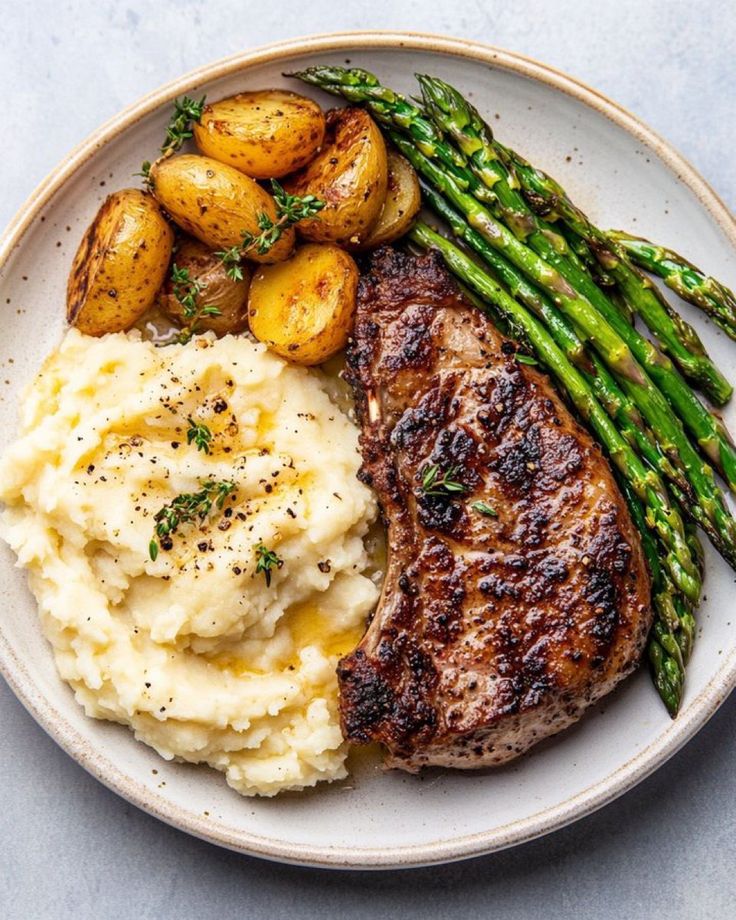
What are macros?
Macros is short for macronutrients. There are three:
Carbohydrates
Protein
Fats
Every food you eat is made up of one or more of these. Your body uses them to move, think, grow, and stay healthy.
Calories
Each macro gives your body a certain amount of energy:
Carbohydrates = 4 calories per gram
Protein = 4 calories per gram
Fats = 9 calories per gram (fat has more calories because it's more concentrated)
Carbohydrates (your fast energy)
Carbs are like the fuel in a car.
They help you run, walk, think, train, and play. When you eat carbs, your body turns them into called glucose and uses it for energy. Carbs are in foods like fruit, bread, rice, pasta, potatoes, cereal, and sugar.
Protein (your building blocks)
Protein is what helps build your body.
It helps grow muscles, fix your body after exercise, and keeps you strong. Protein is in foods like chicken, meat, fish, eggs, yogurt, tofu, beans, and lentils.
Fats (your slow, long-lasting energy)
Fats are like a slow-burning candle.
They help your brain work, keep hormones healthy, and help your body use vitamins.Fats are in foods like avocado, olive oil, nuts, seeds, butter, cheese, and oily fish.
Do you need to count or track this?
No - not always!
Knowing what macros are doesn’t mean you have to track them. For some people, tracking helps them learn and discover what their grocery item, meals, condiments, favourite foods or snacks are made up of. And then you can see your totals at the end of the day - think of calories you eat in a day like a pie chart and each of the 3 macros as slices of a pie chart. As we said that calories are made up of macros (protein carbohydrates and fat).
The best approach is the one that fits your life, your goals, and your mindset. And sometimes having a structure or meal plan already worked out and balanced for you can help you identify how these make sense in your diet or meal choices!
The simple takeaway
Calories are made up of macros.
Macros are what have calories.
They’re not a diet.
They’re just how food gives your body energy and with different jobs in the body!
Think...
Carbs for energy
Protein for strength
Fats for health and fullness
Looking for more tools and guidance in turning this into something practical and sustainable for yourself - reach out or jump on our app for a 7 Day Free Trial!