
Liv Grace
5 Min Read

Not All Fibre is Created Equal
When we talk about fibre, most people think it is just one thing. In reality, there are two main types of fibre that do different jobs in your body. These are called soluble fibre and insoluble fibre.
Understanding the difference can help you improve your digestion, feel fuller for longer, and support your overall health.

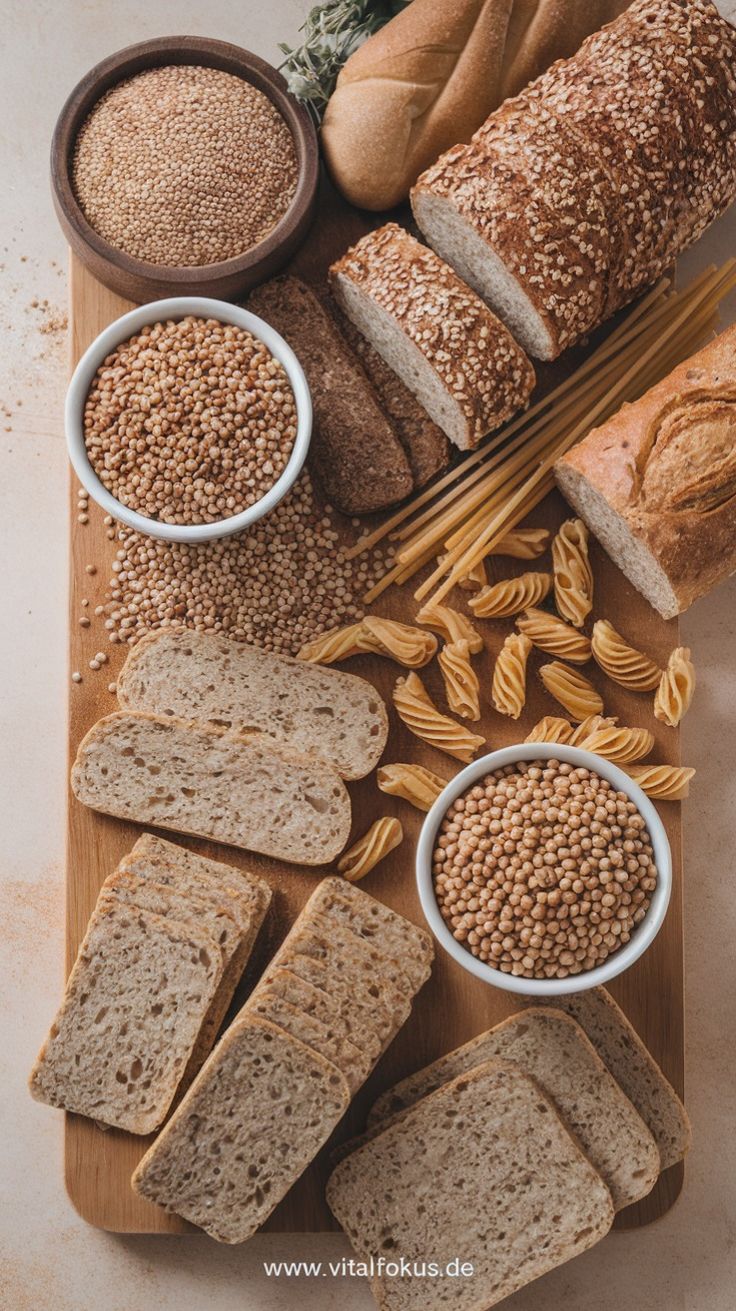
What is Fibre anyways?
Fibre is a type of carbohydrate that your body cannot fully digest. Instead of being broken down and absorbed like other nutrients, it travels through your digestive system and supports gut health, digestion, and metabolism (1).
It comes in two forms, soluble and insoluble. Let's chat through the difference and their purpose!
Soluble Fibre
Soluble fibre mixes with water and forms a gel like texture in your gut.
Common food sources
Oats
Chia seeds and flaxseeds
Beans, lentils and chickpeas
Fruits like apples, berries and oranges
Psyllium husk
What it does in your body
Soluble fibre slows down how quickly food leaves your stomach and how fast sugar enters your bloodstream. This helps keep your energy levels more stable and can support fat loss and appetite control (2).
It can also help lower cholesterol by binding to substances in your gut and removing them from the body (3).
Another key benefit is that it feeds your gut bacteria. When your gut bacteria break it down, they produce compounds that support gut health and reduce inflammation (3).
Insoluble Fibre
Insoluble fibre however, does NOT dissolve in water. Instead, it adds bulk to your stool and helps food move through your digestive system!
Common food sources
Whole grains like brown rice and whole wheat
Wheat bran
Nuts and seeds
Vegetables like broccoli, spinach and zucchini
Potato skins
What it does in your body
Insoluble fibre helps keep your digestion regular by making it easier to pass stools. This can help prevent constipation and keep your gut moving efficiently (1).
It also supports overall digestive health and has been linked to a lower risk of some gut related conditions (4).
Why You Need Both
Soluble and insoluble fibre work in different ways, which is why both are important.
Soluble fibre helps with things like blood sugar control, cholesterol, and gut bacteria. Insoluble fibre helps with digestion and regular bowel movements.
Both are needed and both are necessary based on their benefits and overall digestion, gut function, energy levels, fullness and general health across so many areas!
How does this work with your fat loss or muscle building goals....
Fibre is not just about health, although its extremely important here!
It can directly impact your results...
If your goal is fat loss, fibre can help you feel fuller for longer and reduce overeating.
If you are eating more food in a building phase, fibre helps your blood glucose and energy release, maintain appropriate digestion and keep up with the increased intake whilst balancing an array of food sources needed to maximise these phases.
If fibre intake is too low, your energy peaks and dips, irregular digestion, or increased hunger.
How Much Fibre Do You Need
In Australia, general recommendations are around 25 grams per day for women and 30 grams per day for men (1).
Upper end of fibre intake
Many people can comfortably sit between 25 to 35 grams per day, and in some cases up to 40 or more grams per day, particularly when consuming a whole food, plant rich diet (2).
Higher fibre intakes have been associated with:
Improved gut health
Better appetite control
Reduced risk of cardiovascular disease
Improved long term metabolic health (2)
That said, more is not always better.
Going too high too quickly can lead to:
Bloating
Gas
Digestive discomfort
So, it is important to increase fibre gradually and drink enough water, as fibre works best when it absorbs fluid! Otherwise this can cause further gut complications and symptoms so contact your dietitian!
Final call on Fibre...
Aim for a mix of both soluble and insoluble fibre by eating a variety of whole foods like fruits, vegetables, grains, legumes, nuts, and seeds. Plan it out with your dietitian and it's important to assess where you're at, what your goals are, any symptoms at hand and start slow, stay consistent, drink enough water, and let your gut adapt!
References
1. National Health and Medical Research Council. 2006. Nutrient Reference Values for Australia and New Zealand including Recommended Dietary Intakes. Canberra ACT: NHMRC.
2. Reynolds, A., Mann, J., Cummings, J., Winter, N., Mete, E., and Te Morenga, L. 2019. Carbohydrate quality and human health a series of systematic reviews and meta analyses. The Lancet 393(10170): 434 to 445.
3. Slavin, J. 2013. Fiber and prebiotics mechanisms and health benefits. Nutrients 5(4): 1417 to 1435.
4. Stephen, A. M., Champ, M. M., Cloran, S. J., Fleith, M., van Lieshout, L., Mejborn, H., and Burley, V. J. 2017. Dietary fibre in Europe current state of knowledge on definitions, sources, recommendations, intakes and relationships to health. Nutrition Research Reviews 30(2): 149 to 190.